
You load the app on the train through Town Hall, twenty minutes left before the shift starts, and the reels spin while you tap through the CBD. That kind of casual access is exactly what makes the casino sunk cost fallacy so easy to fall into on a phone. Mobile play shortens the distance between impulse and action in ways a venue floor never could.
How Mobile Play Amplifies the Trap
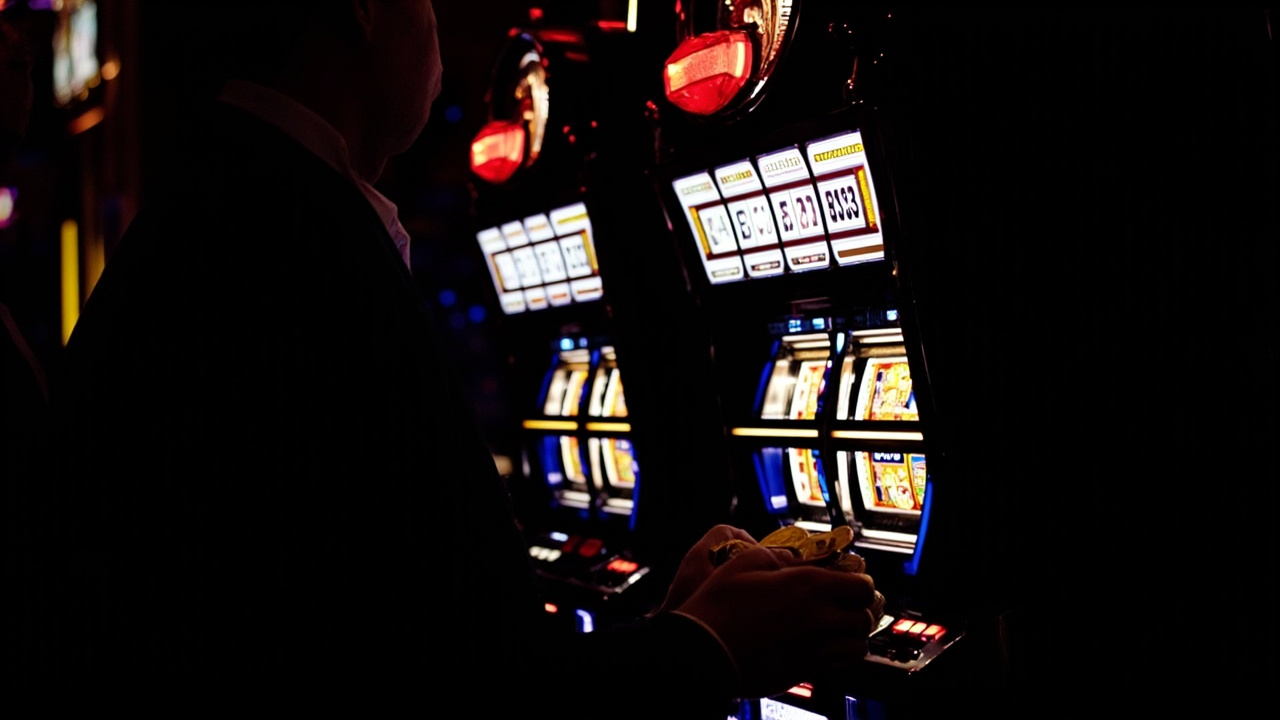
Most players reckon the sunk cost fallacy shows up at the casino bar, after a tough night and a stubborn top-up. In my work building virtual RNG game mathematics, I see the same pattern compressed into a five-minute phone session between meetings. The math never carries memory across spins – every draw is independent – yet the phone format makes the previous spend feel like a runway you must finish. Touchscreens turn hesitation into reflex. Auto-spin collapses the breathing room that once separated a decision from its consequence. Pokie designers call the trance-like state some players slip into “the zone” – a dissociative drift where losses stop landing. On a 6.7-inch screen, that drift arrives in minutes, not hours, which is partly why platforms like https://playwoohoo9.com/aus/ frame the entire experience around short, contained bursts rather than the marathon spins a desktop layout invites. Recognising the casino sunk cost fallacy on mobile means noticing the moment your brain starts treating past losses as a reason to keep going, not a fact to acknowledge.
Spotting the Fallacy in Real Time
The pattern has a shape, and once you’ve seen it, you’ll catch it on a bus through the Inner West. You tell yourself the next spin will recover Tuesday’s loss, then Wednesday’s, and by Friday the entire week’s spend feels like a debt only the reels can settle. On a phone, that dissociative drift arrives faster because notifications, vibrations, and pocket-sized portability remove every natural pause a venue once forced. Australia’s pokies rules already recognise how dangerous momentum can be: Tasmania and the Northern Territory permit the machines under their own regulatory frameworks, yet every Australian jurisdiction enforces session warnings, mandatory break reminders, and stake limits that the app layer now has to mirror. Most responsible gambling codes also require a visible clock on every spin screen, a small but useful nudge against the trance. Players who treat the fall as sunk rather than recoverable tend to last longer at the hobby than those who treat each session as a debt to chase, and the math supports them – your expected loss on a single spin never depends on what happened an hour ago.
Building Mobile-First Habits
The fix isn’t willpower; it’s friction. A phone gives you tools a venue floor never offered, and using them deliberately separates a recreational player from a chasing one. Set a hard session budget before the app opens, not after the third deposit. Use deposit limits, reality-check pop-ups, and time-out functions the way you’d use a seatbelt – defo not as decoration. From a volatility standpoint, a high-variance pokie on auto-spin is the worst possible context for the sunk cost trap, because long losing streaks are baked into the math, and the phone hides the variance curve behind a smooth ticker. I always tell colleagues designing these products that a player who understands hit frequency and standard deviation is much harder to trap. Mobile-first design is not inherently hostile, but the defaults lean that way unless you override them, since most apps bury responsible-gaming controls two menus deep. Surfacing those controls on the home screen is the single biggest behavioural lever any operator can pull. The table below maps the cognitive pulls of desktop versus mobile, and the countermeasures that actually work on a phone.
| Trigger | Desktop behaviour | Mobile behaviour | Best mobile counter |
|---|---|---|---|
| Loss chase | Slow reload, visible spend | One-tap top-up, hidden balance | Pre-set deposit ceiling |
| Time drift | Clock on screen, breaks obvious | Auto-spin, screen sleep hidden | Hard session timer with lockout |
| “One more” | Tab visible, easy to close | App pinned, full-screen | Force-close after limit |
| Variance blindness | Long sessions, visible curves | Compressed 90-second spins | Read volatility rating first |
Tools and Guardrails That Actually Work
Good mobile design meets you halfway. Any punter who’s closed the app at Central and reopened it at Redfern has felt how portable the trap is, so the controls need to travel with you. The MGM Grand famously altered its lion-mouth entrance after some Asian patrons read the gaping maw as bad luck, a reminder that small design choices can defuse the chase before it begins. Browser-based play in Australia requires no app download, so you can use your phone’s native screen-time tools to lock the casino site out after a session ends, something no desktop setup ever offered as cleanly. App players get push-notification reminders, biometric login friction, and cooling-off periods measured in hours, not days. Performance matters too: a laggy interface tempts players to chase reload screens with impatient top-ups, so responsiveness is a welfare feature, not a marketing line. Navigation depth determines how many taps separate a pause button from a deposit button, and the best operators bury deposits further than withdrawals on purpose. A handful of habits makes the difference:
- Close the app fully between sessions, not just background it
- Never save card details on the casino site
- Treat bonuses as time-limited marketing, not free money
- Read the volatility rating before the first spin
Players who want to understand scatter symbol mechanics usually also understand payout variance, and that overlap matters.

The casino sunk cost fallacy doesn’t announce itself. It creeps in through auto-spin, vibration, and the comfortable illusion that the next tap will fix the last fifty. On a phone, the only reliable counter is a rule you set before the screen lights up, then enforce without negotiation. Sydney’s harbour lights look better without a depleted wallet behind them.